Select Stations to Find Your Route

Mumbai Metro Network
Total Stations
76 Active / 117 Inactive
Total Metro Lines
5 Active / 10 Inactive
Train Coaches
4 Coaches
Operation Started
8 June 2014
Mumbai Metro Overview
Hop on a Mumbai Metro Metro train for a convenient, fast, and eco-friendly way to explore Mumbai and its neighbouring areas. With well-defined routes and an easy-to-navigate route map, the Mumbai Metro is a popular public transit system and a preferred mode of travel to visit top attractions in and around Mumbai. At present there are 57 active metro stations. YoMetro helps you with information such as Mumbai Metro route, service updates, timings, first/last train schedule, metro route map, fare charts, ticket details, interchange, top attractions near metro stations, and metro news.
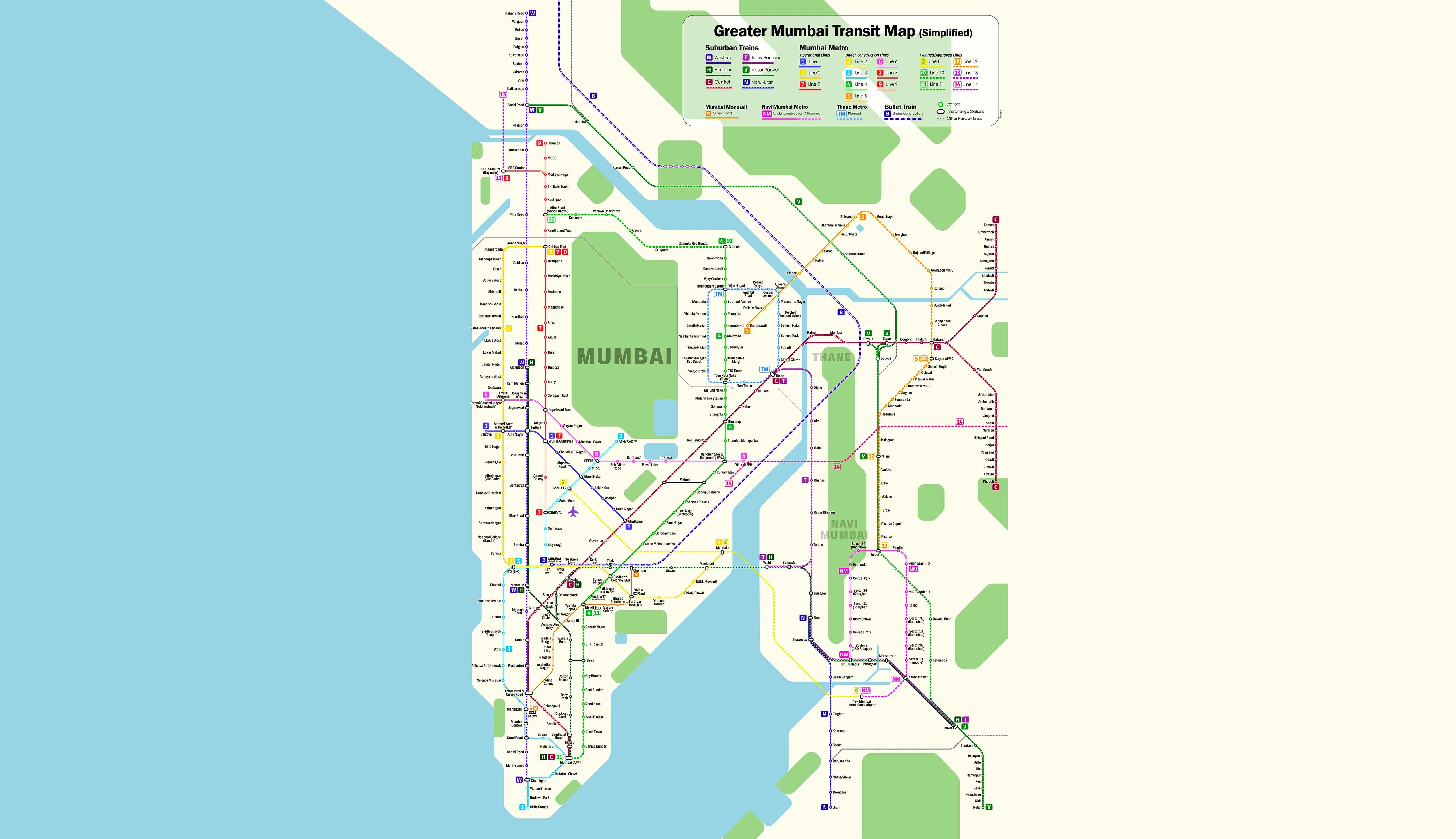
Mumbai Metro Map 2026
View the complete Mumbai Metro Map 2026 showing all lines, stations, interchanges, and route connectivity to help you plan a smooth and efficient metro journey in Mumbai.
Mumbai Metro Fare Chart & Discounts
Check the latest Mumbai Metro Fare Chart showing Normal Fare, discounted Smart Card Fare, and Special Day Fare (if avilable) based on distance or station-wise slabs to easily estimate metro travel expenses in Mumbai.
Distance-based Fare Rules
| Distance (Km) | Normal Fare | Smart Card Fare | Special Day Fare |
|---|---|---|---|
| 0 - 3 | ₹10.00 | ₹9.50 | ₹10.00 |
| 3 - 12 | ₹20.00 | ₹19.00 | ₹20.00 |
| 12 - 18 | ₹30.00 | ₹28.50 | ₹30.00 |
| 18 - 24 | ₹40.00 | ₹38.00 | ₹40.00 |
| 24 - 30 | ₹50.00 | ₹47.50 | ₹50.00 |
| 30 - 36 | ₹60.00 | ₹57.00 | ₹60.00 |
| 36 - 42 | ₹70.00 | ₹66.50 | ₹70.00 |
| 42 - Above | ₹80.00 | ₹76.00 | ₹80.00 |
Card / Ticket Discounts
| Product Name | Price | Discount | User Type | Get From |
|---|---|---|---|---|
| Mumbai Metro-3 Card | ₹0.00 | 5.00% | All | Selected Stations: Aarey JVLR, Marol Naka, Santacruz Metro, Bandra-Kurla Complex, Dadar Metro, Siddhivinayak |
| Mumbai Metro-3 Card | ₹0.00 | 10.00% | All | Selected Stations: Aarey JVLR, Marol Naka, Santacruz Metro, Bandra-Kurla Complex, Dadar Metro, Siddhivinayak |
Mumbai Metro Lines & Terminal Stations 2026
Check the Mumbai Metro Lines with Terminal Stations to better understand metro line routes, interchanges, and connectivity details of the metro network in Mumbai.
Line Status: Active Under Construction Approved In Plan
| Metro Lines | Terminal Station | Line Status |
|---|---|---|
| Blue | Versova ⇄ Ghatkopar | |
| Yellow | Dahisar East ⇄ Andheri West | |
| Aqua | Aarey JVLR ⇄ Cuffe Parade | |
| Green | Gaimukh ⇄ Bhakti Park (Wadala) | |
| Orange | Kapurbawdi ⇄ Kalyan APMC | |
| Pink | Swami Samarth Nagar (Lokhandwala) ⇄ Vikhroli EEH | |
| Red | Dahisar East ⇄ Gundavali | |
| Gold | ⇄ | |
| Red | Subhash Chandra Bose Stadium ⇄ Dahisar East | |
| Green | Shivaji Chowk (Mira Road) ⇄ Gaimukh | |
| Green | Bhakti Park (Wadala) ⇄ Chhatrapati Shivaji Maharaj Terminus (CST) | |
| Orange | Kalyan APMC ⇄ Amandoot(Taloja) | |
| Purple | ⇄ | |
| Magenta | ⇄ | |
| Yellow | Diamond Garden ⇄ Mandale |
Mumbai Metro History, Facts and Expansion Plan
Get insights into Mumbai Metro history, notable facts, and expansion plans, explaining its evolution, infrastructure growth, and future connectivity improvements in Mumbai Metro.
- The Mumbai Metro is a rapid transit (MRT) system serving the city of Mumbai and the larger Mumbai Metropolitan Region in Maharashtra, India.
- Maha Metro is responsible for all metro rail projects in Maharashtra, except those within the Mumbai Metropolitan Area.
- The master plan unveiled by the Mumbai Metropolitan Region Development Authority (MMRDA) in 2004 included a total of 146.5 kilometers (91.0 miles) of track.
- In September 2009, the proposed Hutatma Chowk–Ghatkopar line was revised to run between Hutatma Chowk and Carnac Bunder.
- In 2011, the MMRDA announced plans for an extended metro line from Colaba to Bandra and SEEPZ (Line 3). On 27 February 2012, the Union Government granted in-principle approval for the Line 3 plan.
- In July 2012, the MMRDA revealed plans to add more metro lines to the existing proposal, including a line parallel to the Western Express Highway, running from Bandra to Dahisar.
- In June 2015, two additional lines were proposed: one connecting Andheri West to Dahisar West and another linking Bandra Kurla Complex (BKC) to Mankhurd.
- On 18 February 2013, the MMRDA signed a memorandum of understanding (MoU) with Transport for London, the transit authority in Greater London.
- On 14 June 2014, Chief Minister Prithviraj Chavan announced that the MMRDA was exploring a proposal for a metro line along the new Wadala-Ghatkopar-Teen Haat Naka route.
- In July 2015, UPS Madan announced that the State Government had formally appointed the Delhi Metro Rail Corporation (DMRC) to revise and update the Mumbai Metro master plan.
- Currently, only three metro lines are operational in Mumbai: Blue Line 1, Yellow Line 2, and Red Line 7.
- The Mumbai Metro is being developed in three phases over a 15-year period, with overall completion expected by 2025.
- As of August 2020, the Mumbai Metro comprised one operational line (Line 1), an elevated corridor connecting Versova to Ghatkopar.
- The foundation stone for the first phase of the Mumbai Metro project was laid in June 2006 by then Prime Minister Manmohan Singh.
- A successful trial run was conducted in May 2013, and the first line became operational on 8 June 2014.
- Mumbai Metro fares range from ₹10 to ₹40 for a single journey token.
- Once completed, the core metro system will consist of eight high-capacity lines spanning a total of 235 kilometers.
- Among these, the 33.5-kilometer (20.8-mile) Colaba-Bandra-SEEPZ line (Line 3) will be the city's first underground metro line, built at a cost of ₹21,000 crore (US$2.9 billion).
- This line will operate as a 100% electricity-driven system, ensuring zero carbon emissions.
- Each train will have a passenger capacity of approximately 2,500.
- The trains are designed to achieve a maximum speed of 90 km/h, with an average commercial speed of 35 km/h, including stoppages.
- An automatic fare collection system and contactless smart cards are in place to ensure zero revenue loss.
- Penalties for various offences range from ₹50 to ₹5,000, with imprisonment applicable for more severe violations.
- For passenger convenience, the metro stations are equipped with clear signage to guide users to entrances and exits.
- Stations are divided into paid and unpaid areas. The unpaid area includes ticket counters, Ticket Issuing Machines (TIMs), and Remaining Value Checking Terminals (RVCTs), where passengers can purchase tickets or check balances. Access to the paid area is granted via Automatic Fare Collection (AFC) gates.
- QR-code-based mobile tickets can also be purchased through the Paytm and Ridlr apps.
- Mumbai Metro is the first metro system in India to be equipped with a black box (similar to those used in airplanes) to record vital operational data.
- The system's trains operate at an average speed of approximately 33 km/h, with a maximum speed of 80 km/h and a design speed of 90 km/h.
- The first train departs from Versova at 05:20 hrs and from VIVO Ghatkopar at 05:29 hrs. The last train leaves Versova at 23:20 hrs and VIVO Ghatkopar at 23:46 hrs. However, train schedules are subject to change.
Mumbai Metro network expansion plan
The Mumbai Metro was inaugurated in June 2006 by the then Prime Minister of India Manmohan Singh, who laid the foundation stone for the first section of this ambitious transport project. Designed to be constructed in three phases over a period of 15 years, the entire metro network is expected to be completed by October 2026. The Mumbai Metro is the fourth longest operational metro network in India with an operational length of 68.93 km (42.83 mi) as of May 2025. When completed, the core system will consist of sixteen high-capacity metro railway lines, spanning a total of more than 523 kilometres (325.0 mi) (25% underground, the rest elevated, a small portion built at grade) and served by 350 stations.
(2025–2026)
Lines 4 and 4A (Wadala–Kasarvadavali–Gaimukh) will have trial runs and begin passenger service, providing faster metro connectivity to eastern areas of Mumbai and Thane.
Line 2B (DN Nagar–Mandale) will begin after new coach testing, connecting western suburbs to areas such as Chembur and Mankhurd.
Line 3 (Colaba–Bandra–SEEPZ–Aarey) will become partially operational with further improved connectivity with underground subways will provide direct metro connectivity to Colaba and the southern tip.
(2026–2028)
Line 3's Navy Nagar extension will be completed, providing direct metro connectivity to Colaba and the southern tip.
Line 9's extension to Dongri Depot (about 4.9 km and 2 new stations) will be launched, providing relief to commuters in the western suburbs.
Line 8 Airport Express (CSMIA–NMIA) will be launched, providing faster connectivity to Mumbai and Navi Mumbai airports.
Work on 6 new metro projects approved by the state government will be expedited, which will receive international funding.
Dharavi interchange hub will be developed, providing an integrated network of metro, local train and bus services.
(2028–2034)
Lines 10, 12, 13 and 14 will be constructed, connecting Mira Road, Virar, Remote suburbs like Badlapur, Kalyan and Taloja will be directly connected to the metro and travel time will be reduced significantly.
The 29 km long Thane Metro Ring Line is expected to be completed by 2029, connecting the entire Thane city and integrating it with the Mumbai Metro.
Over the years, Mumbai's metro network will be around 337 km long, making it equal to or larger than the Delhi Metro.
This will reduce traffic jams and pollution and provide the city with a world-class public transport system.
Mumbai Metro FAQs
Find answers to common Mumbai Metro FAQs covering prohibited items, luggage rules, food and drink policies, photography, ladies coaches, children’s fares, and more.
- Sharp Objects: Knives, swords, meat cleavers, etc.
- Explosive Materials: Gunpowder, fireworks, hand grenades, plastic explosives, etc.
- Flammable Items: Paints, petroleum, aerosols, wet batteries, etc.
- Offensive Items: Blood, carcasses of dead animals, unsealed raw meat/fish, plants/saplings, skeletons, bones, rags, etc.
- Pets: Pets, including birds and other animals, are not allowed.
This list is updated periodically by Mumbai Metro.
- Andheri Metro Station connects to Western Railways.
- Sharp Objects: Knives, swords, meat cleavers, etc.
- Explosive Materials: Gunpowder, fireworks, hand grenades, plastic explosives, etc.
- Flammable Items: Paints, petroleum, aerosols, wet batteries, etc.
- Offensive Items: Blood, carcasses of dead animals, unsealed raw meat/fish, plants/saplings, skeletons, bones, rags, etc.
- Pets: Pets, including birds and other animals, are not allowed.
This list is updated periodically by Mumbai Metro.
- Andheri Metro Station connects to Western Railways.
Mumbai Metro News & Updates
Stay updated with the latest Mumbai Metro Metro news—new lines, station openings, service changes, fare updates, and key commuter announcements.
The Mumbai Metropolitan Development Authority (MMRDA) announced that Metro Line 5 will now be 34.21 kilometers long, making it one of the largest metro corridors in the entire Mumbai Metropolitan Region. This announcement comes after the approval of a new extension called Metro Line 5A, which adds 11.83 kilometers to the original 22.38-kilometer project.
Preliminary work is about to begin for the proposed extension of the Mumbai Metro 11 line from Wadala to Bandra Terminus via Dharavi. The Mumbai Metro Rail Corporation (MMRC) has begun the process of mapping underground utilities along the route before construction begins. This extension is part of the massive Metro 11 corridor that connects Wadala to the Gateway of India via Nagpada and Crawford Market.
The Government of Maharashtra has approved the extension of Mumbai Metro Line 5A at a cost of ₹4,063 crore to enhance connectivity, providing a major boost to transportation links in Ulhasnagar and its surrounding areas. This new metro corridor will connect Ulhasnagar to Sindhu Nagar Station, thereby fulfilling a long-standing demand of the residents and offering relief from traffic congestion.
A fire broke out at the underground T2 Airport Metro station in Andheri East, Mumbai, on May 6, 2026. According to officials, passengers were safely evacuated after the incident. Emergency crews immediately arrived at the scene after smoke was spotted in the station premises. The incident, which occurred around 4:10 pm, also briefly disrupted metro rail services on the underground corridor of the Metro Aqua Line 3 between Aarey JVLR and Cuffe Parade.
During the ongoing construction of Metro Line 2B in BKC, a 400-ton mobile crane lifting a prefabricated beam overturned near the Asian Heart Hospital junction due to a mechanical failure. The accident occurred during overnight work by contractor J. Kumar Infraprojects Limited. No injuries or casualties have been reported.
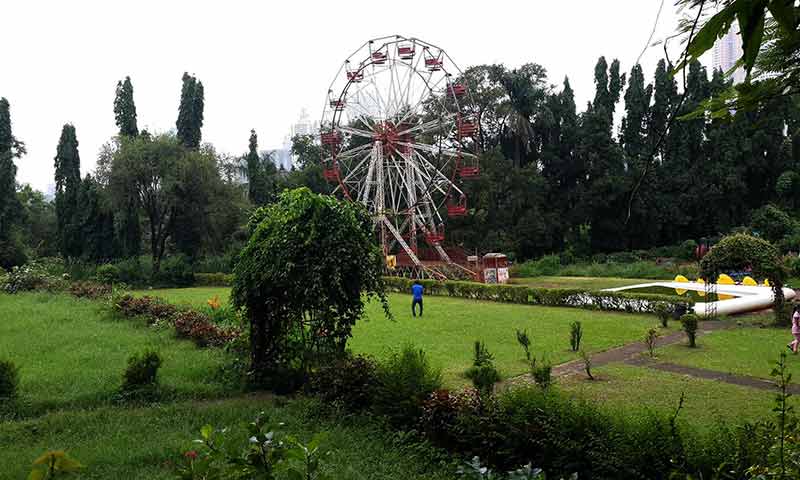
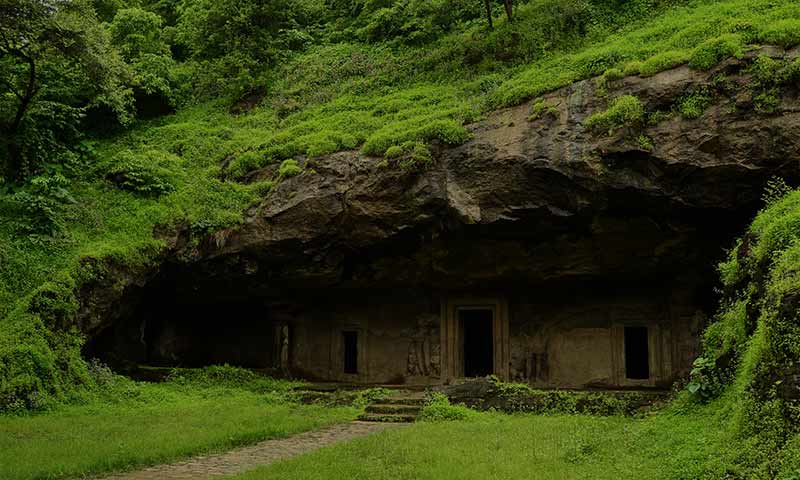
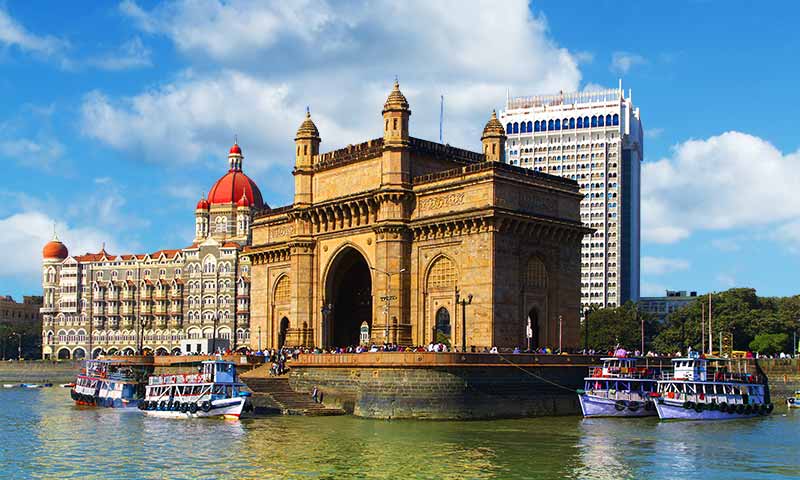
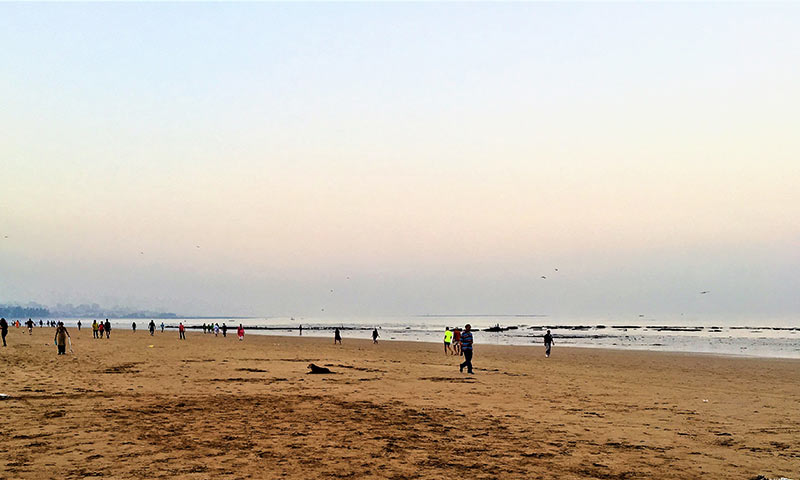
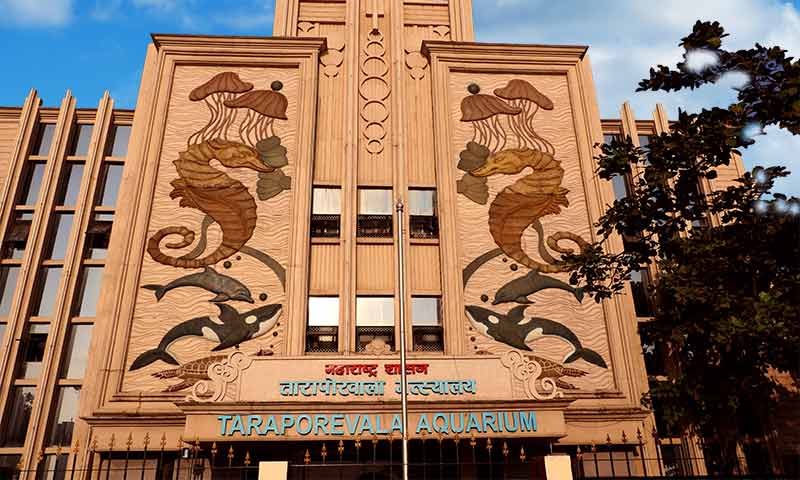
Mumbai's Famous Attractions and Nearest Metro Station
Explore Mumbai’s popular tourist attractions along with their nearest Mumbai Metro stations, making it easy to plan your sightseeing, navigate the city efficiently, and enjoy metro travel.









Explore Other Metro Networks in India
Explore metro networks in major cities across India, including Mumbai Metro, and get information about their routes, stations, fares and connectivity.















Saved Routes
Tap Save Route on any route page.